
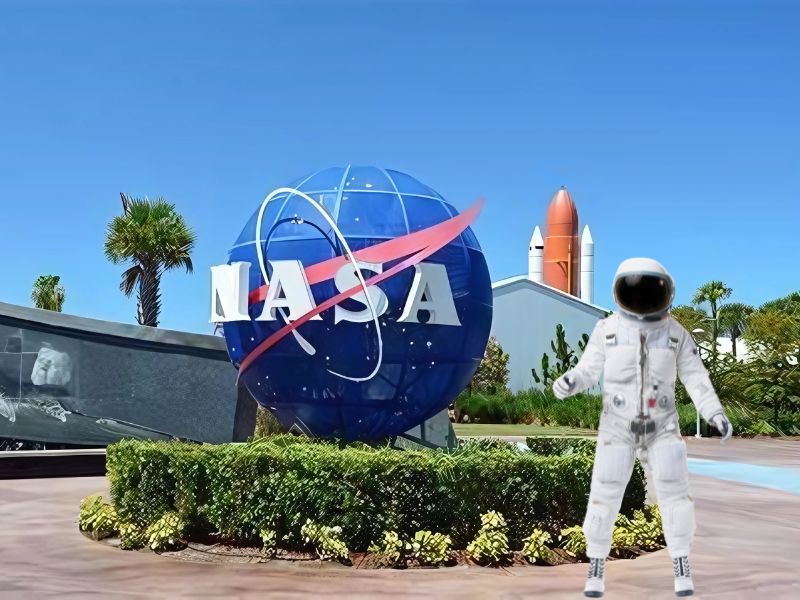
1. Builds Real-World Scientific Understanding
Space missions teach students how rockets, satellites, probes, and astronauts work — turning textbook concepts into real, practical knowledge.
2. Inspires Ambition and Future Career Goals
Learning about ISRO, NASA, SpaceX, and global missions motivates students toward careers in aerospace, engineering, astronomy, robotics, AI, and research.
3. Sharpens Problem-Solving & Critical Thinking
Every mission involves challenges — navigation, communication, landing, survival. Studying these helps students think creatively and logically.
4. Encourages Innovation & STEM Skills
Space missions combine physics, coding, electronics, design, maths, and technology — inspiring students to explore hands-on STEM learning.
5. Boosts Curiosity and Imagination
Exploring missions to Mars, the Moon, asteroids, and beyond expands a student’s sense of wonder and encourages big, bold thinking.
6. Helps Understand Global Collaboration
Students learn how countries work together in space, promoting teamwork, unity, and a global perspective.
7. Builds Confidence Through Real Achievements
Knowing how missions succeed after years of planning instills resilience, discipline, and motivation to work on long-term goals.
8. Connects Classroom Learning to the Future
Space missions help students see how science and technology shape the future of communication, weather forecasting, medicine, climate study, and exploration.
+Free Telescope


Reviews
There are no reviews yet.